
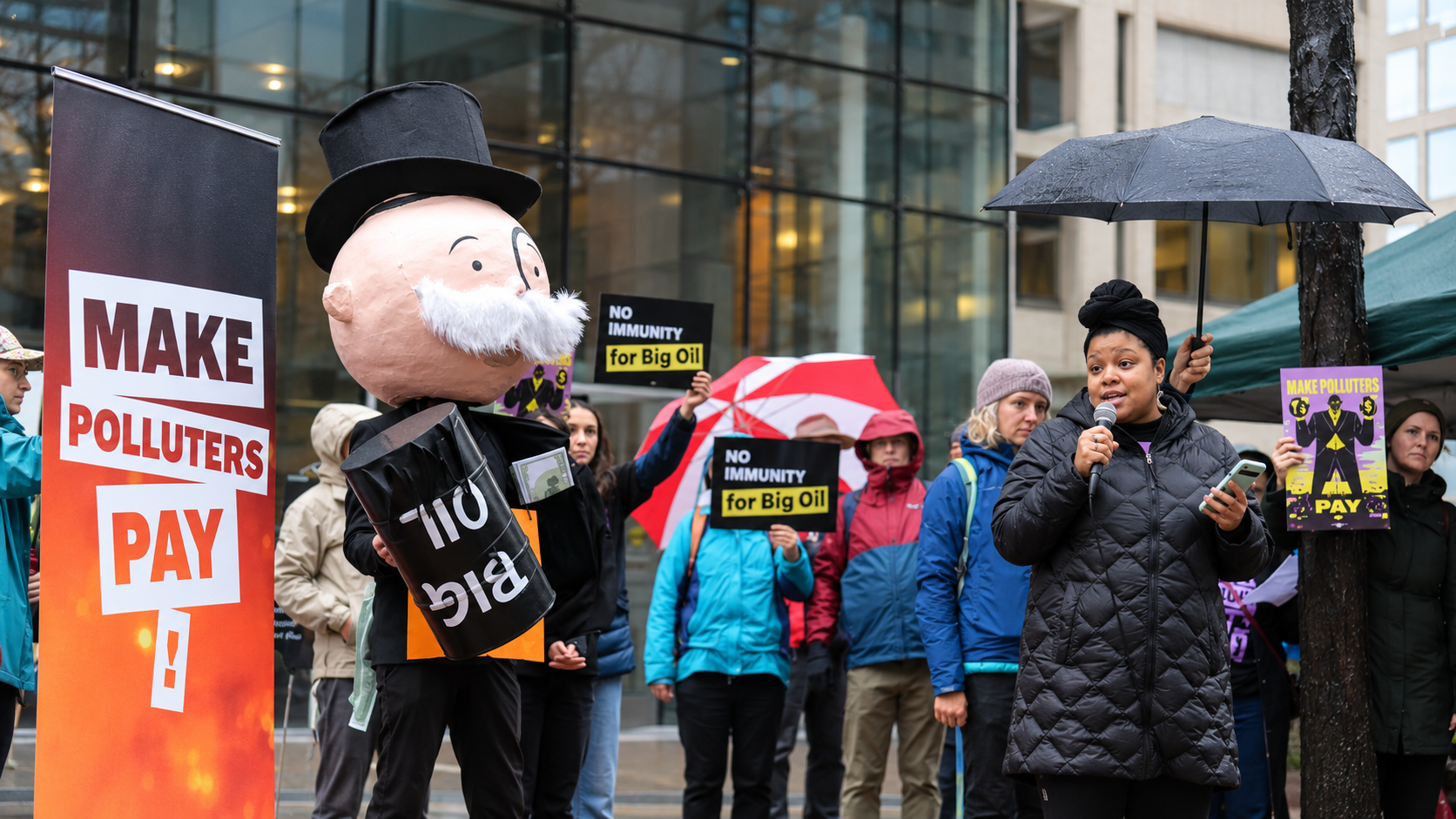
Climate change disproportionately threatens public health. It increases heat-related illness, respiratory issues, and cardiovascular risk. While our communities and local healthcare systems bear the escalating physical, emotional, and financial costs of these climate disasters, large fossil fuel corporations continue to profit while avoiding responsibility for the harm caused by their emissions.
By Making Polluters Pay, we move to hold large fossil fuel corporations accountable and require them to pay their fair share in repairing climate damages and building community resilience for those who need it most.
Sign our health professionals petition below!
Health Professionals Say: MAKE POLLUTERS PAY
As trusted members of the health community, we believe Washington must take a decisive "polluter pays" approach to protect public health, build community resilience, and establish a dedicated Climate Superfund.
Our health is not always determined by treatment in the doctor’s office or the clinics. 80-90% of one’s health is shaped by everyday factors like our environment, the socioeconomic standing we grow up in, and state-level policy decisions. We have a duty to protect the health of our patients and the communities we serve, and acknowledge Make Polluters Pay legislation could have a direct improvement on the health of many Washingtonians.
Hold Major Fossil Fuel Polluters Accountable: Require the largest global fossil fuel corporations (responsible for over 1 billion metric tons of greenhouse gas emissions) to pay their fair share for historical climate damages.
Protect Taxpayers and Local Health Infrastructure: Shift the financial burden of climate-driven disaster recovery off of residents, patients, and local taxpayers and onto major polluters.
Fund Critical Health and Climate Resilience Initiatives: Direct recovered funds into vital climate adaptation projects, including extreme heat response, wildfire prevention, healthcare infrastructure resilience, clean air initiatives, and emergency funding for impacted communities.
Center Environmental Justice and Health Equity: Ensure that funding distributions prioritize frontline and under-resourced communities who face the highest health risks from environmental degradation and extreme weather.