
Microplastics & Health
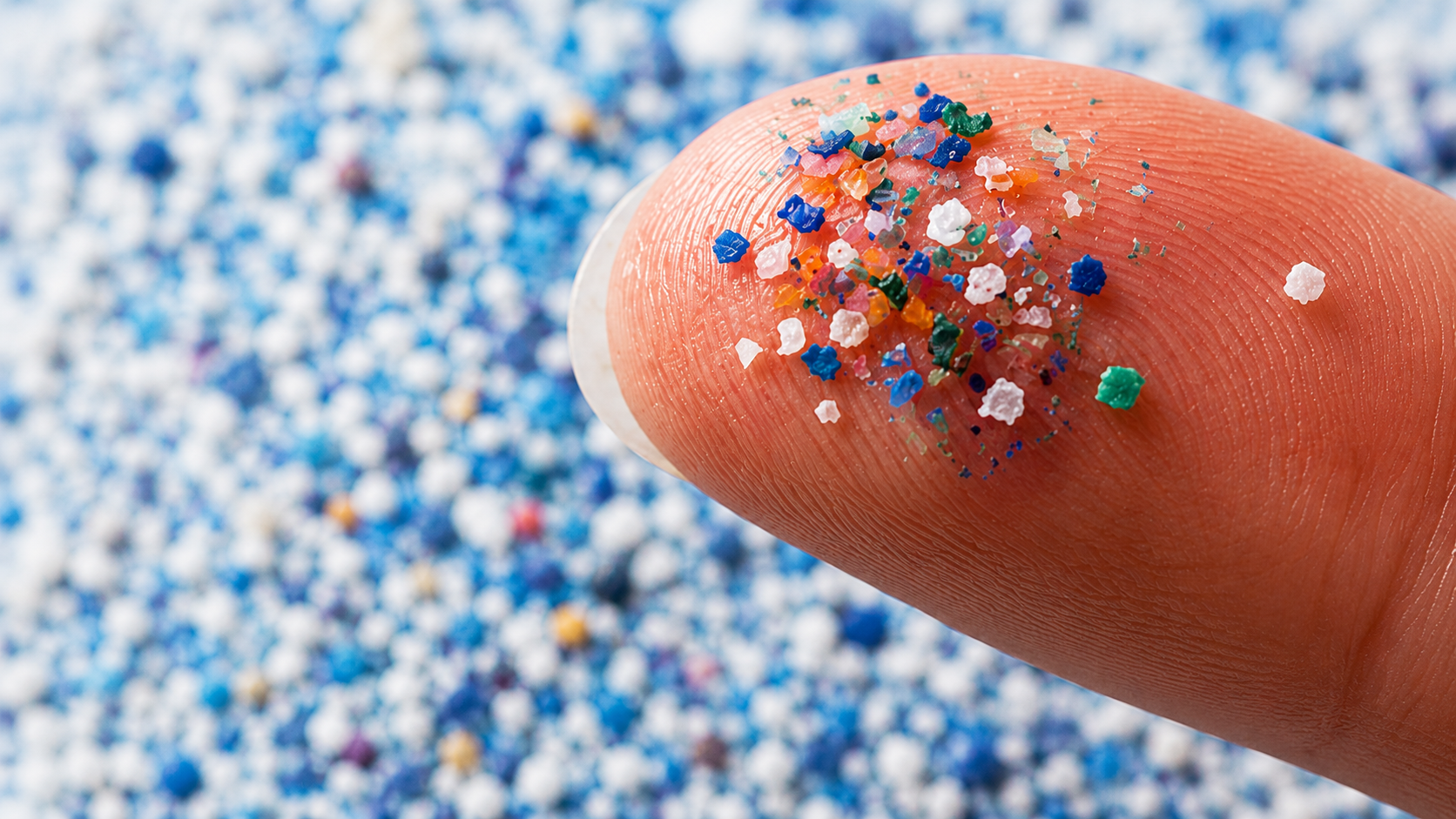
Microplastics have been found in human blood, placentas, arteries, lungs, and brain tissue. Emerging evidence links exposure to inflammation, endocrine disruption, cardiovascular disease, and reproductive harms.
These plastics are a byproduct of the fossil fuel industry and are nearly one-third of the global carbon budget.
The Health Risks
Microplastics have been found almost every human tissue - the heart, brain, liver, kidneys, placenta and more.
A landmark 2025 study found microplastics in arterial plaques — and those with detectable levels had a 4.5× higher risk of heart attack or stroke within three years.
The 16,000+ chemical additives in plastics interfere with hormone function and are linked to increased risk of cancer, diabetes, obesity, and neurological harm in developing children.
Policy Efforts
Plastic production must be regulated as a fossil fuel product with strictly enforced strict emission limits.
Washington must lead on monitoring. Microplastics remain unregulated and unmonitored at the federal level. California is the first state to require some forms of testing — Washington should be next.
Reduce plastic at the source. Banning single-use plastics and mandating filters in washing machines and water treatment facilities reduces both human exposure and greenhouse gas emissions upstream.
Our Work
Calling for action from policy makers to reduce the prevalence of plastics
We’re working with a coalition of over 50 organizations calling on the EPA to take stronger action to regulate microplastics as a contaminant in drinking water.
Leaders of WPSR’s Climate and Health Task Force have testified on legislation related to banning plastics, regulating washing machine filters, and expanding recycling processes.
Helping health professionals engage and speak their concerns about microplastics
WPSR launched a WPSR’s microplastics and waste working group that meets monthly. Sign-up here.
Educating our peers and the public about the climate and health issues related to Microplastics
Documentary Showing - Plastic People: WPSR is partnering with Toxic Free Future to show the documentary The Plastic Detox to Seattle residents in July.
WPSR launched a Microplastics and health fact sheet in 2026.
Resources

The evidence is clear - microplastics are dangerous to our health.
of placentas tested contained microplastics by 2021 - up from 60% in 2006. Premature newborns show significantly higher levels.
100%
Estimated microplastic content of the average human brain by weight - the same as a plastic spoon.
.5%
Chemical additives used in plastics - many known hormone disruptors like BPA and PFAS, increasing risk of obesity, diabetes, and cancer.
1,600+
Microplastics found in arterial plaque of 58% of carotid artery patients - with 4.5x higher risk of heart attack, stroke, or death within three years.
4.5x
98% of single-use plastic is made from petrochemicals derived from oil and gas.
Plastic production alone emits more greenhouse gases than the entire aviation and shipping industry combined.
Production is expected to triple by 2060 — meaning the microplastics crisis and the climate crisis will only deepen together.
Plastics are a fossil fuel product.
Take Action - Our Microplastics Policy Priorities
Ban single-use plastic items - bags, utensils, and packaging.
Washington has made progress on plastic bag bans and should extend these efforts further.
Require monitoring of Microplastics in drinking water systems.
There aren’t any statewide standards for measuring Microplastics levels in Washington’s water supply.

Mandate microfiber filters in all new washing machines.
Legislation was introduced in Washington in 2026 but did not pass - renewed support is needed.
Mandate stronger filtration in water treatment facilities for agriculture.
Washington mandated PFAS testing in biosolids in 2025. Microplastics filtration standards are next.
Reduce plastics and chemical additives in medical settings.

Patients undergoing treatment are among the most vulnerable - this is a solvable problem.
Add your name to our petition!
WPSR is calling on lawmakers to act on Microplastics. Sign our petition as a health professional or concerned resident to show decision-makers that we demand action to protect our climate and our health!
Encourage restaurants to provide non-plastic take out containers and utensils.
Oppose artificial turf on school grounds and in parks.
Ask retailers to reduce plastics in their packaging.
Encourage your school district to replace single-use plastic cutlery in cafeterias.
Take collective action

Our Work - Raising awareness and fighting for change on plastics.
WPSR co-signed a letter led to the EPA urging action to not just add microplastics as a considered contaminant in drinking water, but to add them to the sixth unregulated contaminant monitoring rule (UCMR 6) and not delay further action.
WPSR joins letter calling on EPA to monitor microplastics as contaminant in drinking water
WPSR launches microplastics health fact sheet for legislators and the public
WPSR’s microplastics working group authored a fact sheet covering the science, exposure pathways, and what Washington’s legislators can do now on microplastics.
WPSR Climate Task Force Members testify in support of action on microplastics in Olympia
Climate Task Force member Dr. Judy Kimelman testified in support of HB 2233(House bag bill) making the health connection to action on plastics in the legislature.
Watch the testimony here (starts at 1:20) ➜
WPSR co-signed a letter led by Food & Water Watch urging the Governor to leverage a Safe Drinking Water Act provision requiring EPA action when seven governors Petition to monitor a contaminant.